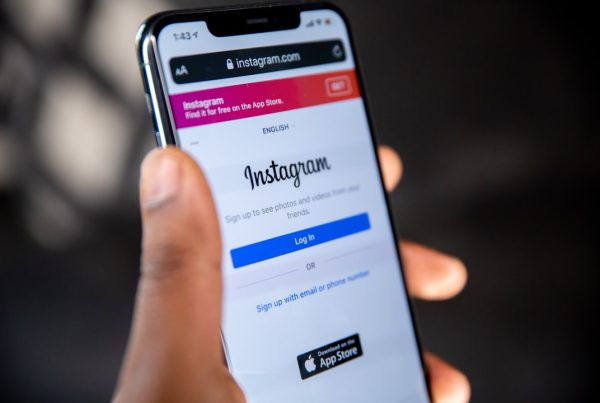
As an avid Instagram user, you’ve likely explored the diverse facets of this dynamic platform, especially the plethora of features available in a professional account. But sometimes, the allure of simplicity beckons, prompting a desire to switch back to a personal account on Instagram from a creator or business profile. As we navigate into 2024, reverting your Instagram account to a personal oasis amidst the bustling market of professional pages can feel refreshing. If you’ve been using a creator account or a business account, shifting switch back to a personal account might be on your mind to rediscover the platform’s fundamental joys.
My experience taught me that while each account type serves a purpose, many long to reclaim the authentic engagement a personal account offers. The process to switch to a personal account is straightforward, but it’s important to adjust your Instagram settings accordingly to ensure a seamless transition from a professional account. This guide will walk you through the steps to switch back to personal account Instagram from creator 2024 style, and embrace the contentment of casual sharing.
Key Takeaways
- Understanding the process to revert to a personal account on Instagram.
- Discovering the benefits of transitioning from a professional to a personal account.
- Insight into managing privacy and controls within Instagram settings.
- Exploring the creative liberation of personal accounts versus business profiles.
- Learning how to prepare and execute the switch smoothly in 2024.
Understanding Types of Instagram Accounts
The landscape of Instagram has shifted dramatically over the years, burgeoning from a simple photo-sharing app to a multifaceted platform catering to a myriad of users with diverse needs. This transition is evident in the evolution of Instagram, which has incorporated personal to business tools to support the varied objectives of its users.
The Evolution of Instagram: From Personal to Business Tools
Instagram debuted as a haven for personal accounts where individuals shared moments from their daily lives. However, recognizing the platform’s potential, Instagram introduced business accounts, delivering a suite of sophisticated tools designed for comprehensive analytics and advertising. This marked a pivotal moment in the evolution of Instagram, as users could now choose between personal accounts, business accounts, and creator accounts, each with distinct features catering to their specific use case.
Business accounts on Instagram offered valuable insights into follower demographics and behavior, while also providing enhanced visibility through promotional options. Simultaneously, the inception of creator accounts empowered influencers and public figures with flexible profile controls and advanced growth tools, establishing a new benchmark in the platform’s capability to support personal branding and audience engagement.
Where Personal Fits in the Spectrum of Instagram Account Types
In the current spectrum of Instagram account types, personal accounts continue to stand out for their simplicity and privacy. They represent the quintessence of Instagram’s original intent—sharing life’s snapshots without the complexities of performance metrics. Despite not having access to in-depth analytics or advertising services, personal accounts remain a fundamental element in Instagram’s architecture, owing to their focus on organic interaction and the preservation of a more authentic social experience.
As the platform continues to navigate the future, the versatility in types of Instagram accounts assures that there’s a place for everyone, whether you’re someone cherishing the nostalgia of personal connections or a business seeking to capitalize on market reach. The following table illustrates the key features and limitations of each account type, demonstrating how each fits into the user-centric tapestry that Instagram has woven over the years.
| Account Type | Main Features | Limitations |
|---|---|---|
| Personal Accounts | Privacy settings, Story sharing, Direct messaging | No insights or analytics, Limited commercial tools |
| Business Accounts | Profile analytics, Ad creation, Contact options | Publicly visible, Must comply with commercial guidelines |
| Creator Accounts | Flexible profile controls, Growth tools, Sponsored content capabilities | Complexity in management, Greater scrutiny on engagements |
My role as a journalist hinges on my capacity to not only capture but also adapt to the ever-changing digital narratives. Instagram’s trajectory from a purely personal platform to an expansive realm of diverse account types has been nothing short of revolutionary. It is my privilege to chronicle this evolution and to continue discovering where each of us—whether individuals, businesses, or creators—fits within this vivid spectrum of online expression.
Navigating Instagram Settings: A Pre-Switch Checklist
When you decide it’s time to switch back to a personal account on Instagram, there’s a bit of housekeeping to be done beforehand. Navigating through your Instagram settings isn’t just about clicking a button. To ensure that you don’t hit any snags in the process, it’s critical to go through a pre-switch checklist. I’d suggest taking the time to cover each of these steps thoroughly. Below you’ll find a detailed list of what to consider.
Firstly, review all active third-party applications that have access to your Instagram account. This is vital as it affects the security and functionality of your account post-switch. Remember, going back to a personal account could change how these apps interact with your Instagram profile.
- Back up any crucial data connected to your professional account, like past insights and analytics that you may want to reference later.
- Peruse your privacy settings, as shifting to a personal account might adjust the scope of your profile’s visibility.
- Update contact information—while business accounts might include an email or phone number, you might want to remove these when reverting to a personal account.
For clearer insight, let’s look at the key differences between professional and personal account settings that you should check off:
| Setting | Professional Account | Personal Account |
|---|---|---|
| Contact Options | Email, Call, and Directions buttons available | These options are not available by default |
| Insights Access | Detailed analytics for posts and audience engagement | Analytics are not provided |
| Story Controls | Advanced features for interactivity in stories | Limited to basic story features |
| Ad Creation | Ability to create and promote content directly on Instagram | Cannot promote posts or create ads |
Keep in mind that changes to Instagram settings are not reversible in the sense that you cannot regain insights lost after the switch. With every point in this pre-switch checklist addressed, you’ll be strategically positioned for a more seamless transition from that professional glow back to the casual charm of a personal account.
Step-by-Step Instructions to Revert Your Professional Account
Ready to simplify your Instagram experience by reverting from a professional account to personal? Whether you’re nostalgic for the platform’s simpler days, or you’ve found that a professional account no longer serves your purposes, the process to switch back is straightforward. This guide offers step-by-step instructions to help you smoothly transition back to a personal account, ensuring a hassle-free process both on mobile devices and desktop computers.
Initiating the Switch on Mobile
If you’re among the many Instagram users who predominantly use the platform on their mobile devices, you’ll find the process to revert your professional account to a personal one is quite intuitive. On your smartphone, start the Instagram app and access your profile to begin this transition. Follow these bulleted instructions:
- Navigate to your profile and tap the menu icon (three horizontal lines).
- Select ‘Settings’ and then proceed to ‘Account’.
- Scroll down to the option labeled ‘Switch to Personal Account’.
- Confirm your choice and enjoy the simplicity of a personal account!
Please note that making this switch on mobile will not impact any of the content you’ve shared previously. However, you will lose access to professional tools such as analytics and promoted posts.
Reverting from Business to Personal on Desktop
For those who prefer managing their social media via a larger screen, switching from a professional to a personal account can also be done on your desktop with ease. The following step-by-step instructions will guide you through the process:
- Log in to Instagram on your preferred desktop browser.
- Click on your profile picture in the top right to visit your profile page.
- Click on ‘Edit Profile’, then scroll down to find ‘Temporarily disable my account’ at the bottom right.
- In the new window, select ‘Switch back to personal account’ from the lower part of the screen.
- Finally, confirm your intent to switch your account back to personal.
As you execute these steps on desktop, remember that once you revert your professional account to personal, certain professional features, promotions, and insights will become inaccessible. So, ensure this decision aligns with your social media objectives before proceeding.
Whether you choose to switch on mobile or switch on desktop, reverting your professional account back to personal on Instagram is a procedure designed for user convenience. Take these visible changes into consideration and start experiencing the platform in a more personal, less commercial manner again.
Differences Between Personal and Professional Instagram Features
Understanding the differences between personal and professional Instagram features is crucial for users who are contemplating a shift in their account type. Accommodating different social media needs, Instagram provides a set of features unique to each account type that caters to user engagement, analytics observation, and marketing strategies.
On a personal level, Instagram is geared towards privacy and casual content sharing, hence personal accounts emphasize ease of use and simple connectivity. In contrast, professional accounts—encompassing both business and creator types—are outfitted with tools designed to amplify user reach and provide valuable data-driven insights.
| Feature | Personal Account | Professional Account |
|---|---|---|
| Insights and Analytics | Not Available | Comprehensive data on follower demographics, post-performance, and engagement metrics |
| Post Promotion | Unavailable | Options to promote posts as ads to reach a wider audience |
| Content Reach | Limited to followers and organic sharing | Increased with targeted advertising and promotional tools |
| Customization | Basic profile editing | Advanced features like contact buttons, category labels, and action buttons for bookings or reservations |
| Personal Branding | Casual presentation of self-image | Strategic presentation aligned with business or creator identity |
| User Engagement | Natural interactions based on content appeal | Strategic engagement with insights to guide content creation |
To navigate these differences effectively, knowing the nuances between personal and professional features is pivotal. For individuals, a personal account may offer the simplicity and authenticity they desire. Meanwhile, professionals can leverage Instagram’s tools to drive growth and foster commercial opportunities—a testament to the platform’s versatility.
What You’ll Lose When You Switch Back to Personal Account Instagram from Creator 2024
As I contemplate reverting my Instagram from a creator to a personal account, understanding the changes that will take hold is crucial. The switch, while seemingly straightforward, has deeper implications on how I engage with my audience and access performance metrics—that, dear reader, is where the heart of the matter lies.
Losing Access to Insights and Analytics
The switch to a personal account heralds a significant change: losing access to insights and analytics. As a creator or business user, I am accustomed to scrutinizing follower growth, reach, and the performance of individual posts through data. This granularity is forfeited once I transition back to a personal account. Below is a comparison of what was available and what I’ll miss:
| Feature | Creator/Business Account | Personal Account |
|---|---|---|
| Profile Analytics | Follower Growth, Profile Views | Not Available |
| Post Analytics | Likes, Comments, Saves, Reach, Engagement Rate | Not Available |
| Story Insights | Replies, Exits, Forward Taps, Backward Taps | Not Available |
| Audience Demographics | Age, Gender, Location, Active Times | Not Available |
The Impact on Post Promotion and Content Reach
Another critical element I’ll confront is the impact on post promotion and content reach. With the inability to promote posts, the reach previously amplified through targeted advertising is no longer within grasp. Herein lies the nuance of this switch; the organic reach of my content must bear the weight of engagement, without the crutches of paid promotion. Gone are the days of tapping into Instagram’s promotional tools to boost my content’s visibility.
Finally, reconciling with what you’ll lose when you switch back isn’t about lamenting the past, but rather embracing a new approach. While insights and analytics offer valuable understanding, a personal account brings forth the promise of authenticity freed from the trappings of constant analysis. What remains is an unfiltered connection with my audience—where my content’s worth is measured not by numbers, but by the resonance it finds in the hearts of those who engage with it.
Embracing the Simplicity of a Personal Instagram Account
In today’s fast-paced digital landscape, there’s something incredibly refreshing about the simplicity of a personal Instagram account. For me, its value lies in the straightforward and unfettered experience; it’s about sharing life’s moments without the constant consideration of analytics or engagement strategies. This reduction to the essence of social networking—connection over performance—can feel like a breath of fresh air.
When I focus on the simplicity of a personal Instagram account, I notice the reduction in cognitive load. No longer am I juggling multiple insights tabs or fretting over the performance of my content. Instead, the simplicity facilitates a more authentic interaction with my audience—friends, family, and those interested in my world as I see it.
The beauty of a personal Instagram account lies not in numbers, but in the stories we share and the connections we build.
By embracing this simplicity, I’ve reclaimed creative control. Free from the pressure of curating a professional feed, I revel in posting images and stories that bring me joy. The genuine nature of a personal account often fosters deeper connections with my followers because I share what’s true to me, not just content tailored to algorithms or market trends.
- Stress-Free Sharing
- Authentic Connections
- Increased Creativity
- Personal Storytelling
Anecdotes from friends and fellow Instagram users echo this sentiment. They share stories where shedding the layers of a professional facade allows for a more carefree and enjoyable social media experience. It’s a collective nod to the desire many of us harbor: to simply be ourselves, unencumbered by expectation or strategy.
| Aspect | Professional Account | Personal Account |
|---|---|---|
| Focus | Metrics and Growth | Sharing and Connection |
| Content Strategy | Detailed and Calculated | Natural and Spontaneous |
| User Interaction | Driven by Engagement | Driven by Authenticity |
| Posting Frequency | Often Scheduled | As Desired |
Ultimately, the simplicity of a personal Instagram account aligns with the original ethos of the platform—sharing life with those who matter the most. As algorithms and analytics continue to shape the way we engage online, taking a step back to appreciate the uncomplicated nature of a personal space online becomes not just a practice of mindfulness but also a radical act of self-care.
Switch Back to Personal Account Instagram from Creator 2024: Protections and Privacy
As I navigate the digital landscape, I am increasingly aware of the delicate balance between online visibility and privacy. The decision to switch back to a personal account Instagram is not merely about simplifying social media interactions; it also introduces a host of protections and privacy considerations that are especially pertinent in 2024.
Personal Instagram accounts offer several privacy advantages such as enhanced control over who can view your content and interact with your profile. For those yearning for a more personal and less public experience on the platform, reverting to a personal account might be a wise move. Let’s delve into how privacy protections take shape within a personal account paradigm.
- Limited Data Sharing: With a reduced emphasis on analytics, your personal data footprint becomes less pronounced.
- Flexibility in Visibility: The choice to set your profile to private is an exclusive feature for personal accounts, allowing for tailored audience engagement.
- Curated Connections: A personal Instagram account provides the latitude to connect, share, and interact on a more selective basis.
Privacy isn’t about hiding; it’s about autonomy and establishing a space where you can curate your social interactions as you deem fit. Switching back to a personal account Instagram restores that autonomy in digital spaces.
In light of these protections and privacy benefits, one might ponder the potential impact of such a switch on user data and visibility. I can personally attest that while public figures or brands may see a reduced scope of audience insights, the trade-off includes a significant increase in personal data control, which contributes to a more secure online environment. As we consider these facets of Instagram usage, it becomes clear that the platform’s personal accounts offer sanctuary, not only for our content but also for our peace of mind.
In conclusion, as you switch back to personal account Instagram, bear in mind the heightened privacy controls at your disposal. Embrace these features to safeguard your online space while continuing to enjoy the essence of Instagram’s social experience.
Creative Freedom with Personal Instagram Profiles
Unlocking the potential of a personal Instagram profile heralds an era of artistic expression unshackled by the rigorous demands of performance metrics. The beauty of customization lies not in uniform templates but in the nuances that make a personal brand distinct. Embarking on a journey through personal branding, I find that the absence of analytics paves the way for more genuine storytelling and audience rapport. Let’s explore how this creative latitude transforms the typical Instagram experience.
Customization and Personal Branding
Customization isn’t simply about aesthetic choices; it’s the bedrock of personal branding on Instagram. With a personal account, I’m free to tailor my profile appearance to reflect my unique style and personality without the constraints imposed on business profiles. Valuing creative freedom with personal Instagram profiles, here’s a glimpse into the manifold customization options available:
- Profile Themes: A seamless extension of individual ethos, themes have the power to tell a story at a glance.
- Bio: More than a summary, it is the manifesto of personal branding – succinct, memorable, and deeply personal.
- Highlights: They serve as curated chapters of life’s key moments, interests, and milestones, inviting followers on a narrative journey.
Engagement without Analytics: What Changes?
Divorcing from analytics is akin to embracing a new paradigm of engagement. With the lens of numerical performance removed, interactions revert to their original intent — connection. I notice a distinct shift towards organic discussions and interaction patterns that feel inherently more authentic. It’s no longer about likes or follows; rather, it’s the resonance of shared experiences and values that foster true community. Below is a comparative look at engagement dynamics:
| Engagement Type | With Analytics | Without Analytics |
|---|---|---|
| Commentary Quality | Metrics-driven, often tactical | Conversational, authentic |
| Content Strategy | Algorithm-focused, geared for visibility | Personal interest-driven, cultivating interest |
| Audience Relationship | Quantitative growth emphasis | Quality connections, community-centric |
In taking the road less measured, creative freedom with personal Instagram profiles not only liberates the aesthetic and thematic elements of online personas but also reinvigorates the essence of engagement — unadulterated by the clutter of analytics.
Why Influencers Opt for Personal Accounts Over Business
In the dynamic world of social media, where authenticity and personal connection are valued currency, influencers are increasingly choosing personal accounts over business accounts. This move might seem counterintuitive to some, as business accounts on platforms like Instagram offer a suite of analytical tools and features designed to help optimize and monetize content. However, for influencers prioritizing genuine engagement, the reasons behind this preference are multifold.
One of the most compelling motivations for influencers to maintain personal accounts lies in the desire to forge more authentic connections with their audience. Unlike business accounts, which can sometimes feel transactional due to constant promotions and strategic posts, personal accounts offer a window into the influencer’s everyday life, thoughts, and passions. This level of intimacy often translates to a more engaged and loyal following.
The creative liberty that comes with personal profiles is another significant factor. Here, influencers find solace in expression free from the pressure of metrics. Without the need to scrutinize every post for performance analytics, they can share content that truly resonates with them and, by extension, their followers. This freedom can be exhilarating and often leads to more innovative and original content.
| Account Type | Engagement Nature | Creative Freedom | Analytical Pressure |
|---|---|---|---|
| Business Account | Strategic/Transactional | Limited by Business Goals | High |
| Personal Account | Authentic/Personal | Unhindered by Metrics | Low |
Moreover, these influencers often discuss how using personal accounts allows them to bypass the clutter of promotional content that is frequently associated with business accounts. It becomes easier for them to stand out in their followers’ feeds when their posts are not perceived as advertisement but rather as snippets of real life.
The intrinsic value for an influencer lies not in the number of followers or likes but in the strength of the connections they make—and often, personal accounts are the best conduit for that.
By choosing personal accounts over business, influencers also sidestep the limitations imposed by Instagram’s algorithm, which often restricts business profiles to a pay-to-play environment, where reach is tied to advertising spend. In contrast, personal accounts tend to experience better organic reach, potentially making them more advantageous for those looking to maximize their impact without relying heavily on paid promotions.
- Enhanced organic visibility
- Focused on storytelling over selling
- Higher trust and credibility with audience
For these reasons and more, influencers are gravitating towards maintaining personal accounts as a way to stay connected, creative, and genuine—an approach that often yields deeper rewards than the analytical advantages of a business account could potentially offer.
Planning for a Smooth Transition: Tips and Strategies
When I’m ready to revert to a personal account on Instagram, I make sure that my planning for a smooth transition is impeccable. This isn’t something to rush; carefully considering each step can prevent unnecessary setbacks. Here are some tips and strategies I’ve gathered to help ensure the process is as seamless as possible.
- Notifying Followers and Subscribers: A little heads-up can go a long way. I draft a post informing my followers of the upcoming change, explaining why I’m making the switch, and what they can expect moving forward. Transparency builds trust, and keeping the audience informed is a cornerstone of that.
- Backing Up Data: Preserving the content I’ve created over time is crucial, so I use the Download Your Data feature within Instagram settings to save everything. This includes photos, videos, and profile information. That way, I know my digital memories are safe.
- Developing a New Content Strategy: While on a professional account, content is often driven by analytics and reach; a personal account allows me to share moments that truly resonate with me, on a more intimate level. So, I put together a content plan that reflects my authentic self, without the pressure of metrics.
In addition to these strategies, I’ve found it helpful to clean up my account before transitioning. This involves untagging from irrelevant posts, updating the bio, and adjusting the aesthetic of my feed to align with my personal brand. Planning the content calendar also keeps me on track post-transition, ensuring that I stay active and engaged with my audience as I settle in with my personal account.
| Task | Description | Importance |
|---|---|---|
| Notify Followers | Communicate upcoming account changes | High – maintains audience confidence |
| Data Backup | Secure all digital content created | Essential – protects against data loss |
| Content Strategy | Plan out future posts and themes | Critical – guides authentic content creation |
Let’s not forget the emotional aspect of this transition. I recognize that transitioning back to a personal account can feel like taking a step back from a professional standpoint. But it’s also a step toward a more genuine online presence. It allows me to focus solely on content that brings joy and value to both myself and my followers, without the added pressure of algorithms and analytics.
Finally, I always remind myself that planning for a smooth transition with the right tips and strategies not only prepares me technically but also mentally for this change. It’s about embracing the process, navigating with anticipation, and looking forward to the newfound freedom that comes with a personal Instagram account.
Conclusion
In recapping the journey to switch back to a personal account on Instagram, it’s clear that while professional account types offer a suite of tools for business and content creators, the personal account is a haven for privacy, simplicity, and authentic engagement. Throughout this article, I’ve walked you through the considerations and steps necessary to transition smoothly. The pivotal distinction between personal and professional Instagram features reflects in what you gain in terms of freedom and privacy and what you relinquish in terms of insights and analytics—a trade-off that each user must weigh based on their individual needs.
The essence of a personal account lies in its intrinsic value of fostering genuine connections without the pressure of performance metrics. As we discussed, influencers often prefer this route to maintain a curated presence that resonates more personally with their audience. The protective barriers around privacy and the creative liberty that a personal account affords cannot be understated, even as we navigate a digital world increasingly geared towards monetization and reach. As I switch back to my personal account on Instagram, the freedom from scrutinizing each post for maximum impact brings a refreshing sense of authenticity back to my online interactions.
In conclusion, whether you are an influencer, a business owner, or an avid user seeking to reclaim a simpler Instagram experience, the choice to switch back to a personal account should be guided by a desire for meaningful engagement over metrics. Remember, the value of your online presence is not solely defined by insights and reach, but by the richness of your connections and content. Now that you’re equipped with the knowledge to make an informed decision, immerse yourself in the Instagram experience that aligns with your personal values and vision.
FAQ
Can I switch back to a personal account on Instagram?
Yes, you can switch back to a personal account on Instagram from a professional or business account.
How do I switch back to a personal account on Instagram?
To switch back to a personal account, go to your account settings, select “Account,” and then tap on “Switch to Personal Account.” Follow the prompts to complete the switch.
What happens when I switch back to a personal account?
When you switch back to a personal account, you’ll lose access to insights and analytics, post promotion features, and certain business tools. However, you’ll regain the simplicity and creative freedom of a personal account.
Will I lose my followers when I switch back to a personal account?
No, you won’t lose your followers when you switch back to a personal account. Your existing followers will still be able to see your content, but you may experience changes in engagement.
Can I switch back to a business account after switching to a personal account?
Yes, you can switch back to a business account after switching to a personal account. However, keep in mind that you’ll regain access to business features and lose the simplicity of a personal account.
What are the benefits of switching back to a personal account?
Switching back to a personal account offers simplicity, creative freedom, and the ability to focus on sharing and connecting with friends and family. It allows you to step away from the metrics and analytics of a professional account.
Will I lose my data and content when I switch back to a personal account?
No, switching back to a personal account won’t delete your data and content. However, it’s always a good idea to back up important data and content before making the switch.
Can I switch back to a personal account on the Instagram app?
Yes, you can switch back to a personal account directly on the Instagram app. Simply go to your account settings and follow the steps to switch to a personal account.
Is there a limit to how many times I can switch between account types?
No, there is no limit to how often you can switch between account types. You can switch back and forth between a personal and professional account as many times as you’d like.
Can I have a private personal account on Instagram?
Yes, you can switch to a private personal account on Instagram. This allows you to control who can see your content and follow your account.
Can I use Instagram insights and analytics with a personal account?
No, Instagram insights and analytics are available only for professional and business accounts. When you switch back to a personal account, you’ll lose access to these features.